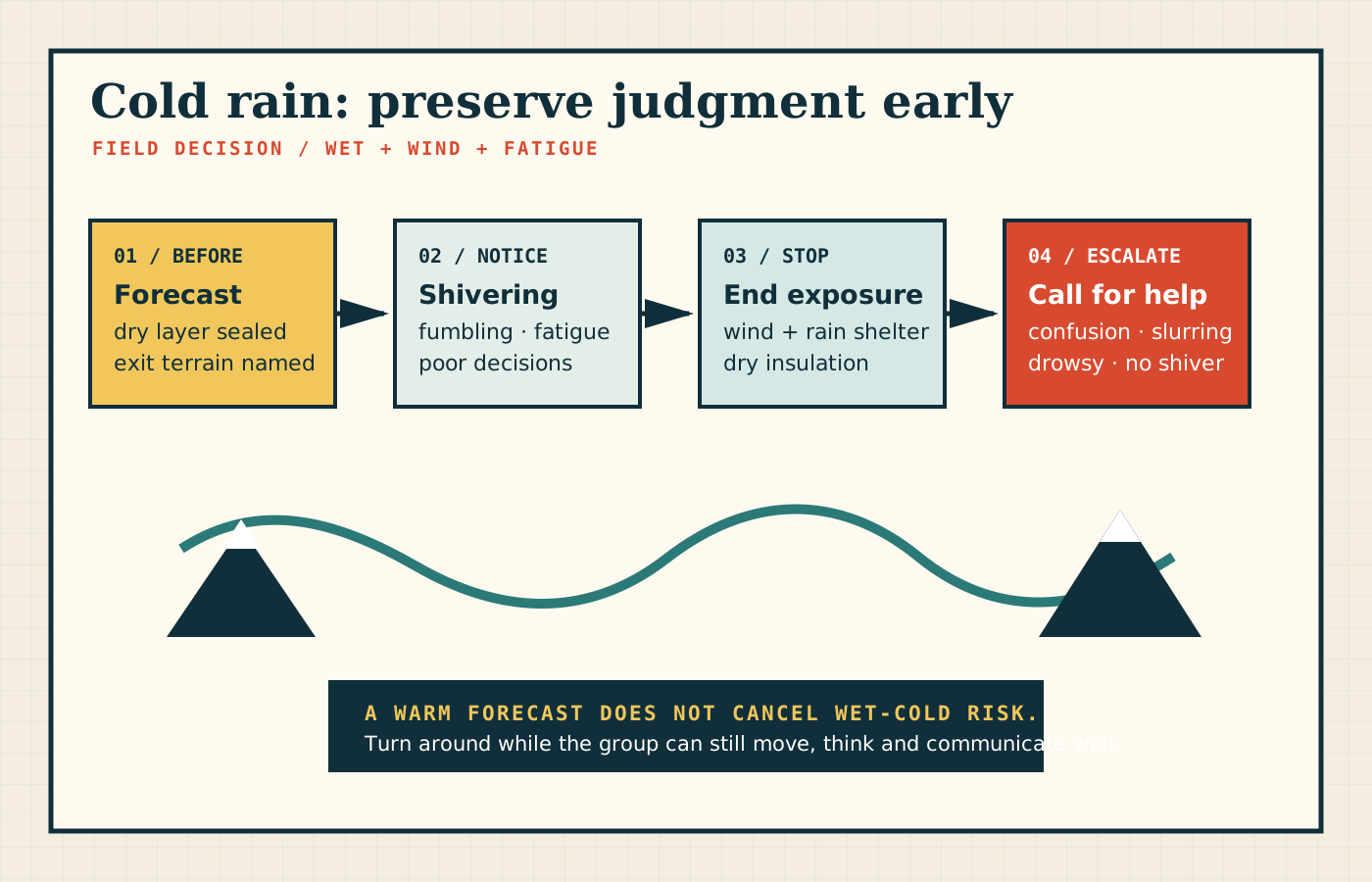
Hypothermia is not reserved for snowstorms. CDC says it can occur at cool temperatures above 40°F when a person becomes chilled by rain, sweat or cold-water immersion. National Park Service guidance likewise warns that cool, wet and windy conditions can cause hypothermia even in summer.
That matters because a comfortable trailhead temperature can hide the real exposure. Higher terrain may be colder and windier. A hard climb can soak inner layers with sweat. A slowing pace can remove the heat that seemed to make the clothing system work. Fatigue can delay eating, navigation and the decision to turn around. Recent hiking discussions repeatedly describe this pattern: rain gear alone was treated as the plan, then pace slowed and shivering or confusion appeared.
Confusion, slurred speech, fumbling, drowsiness, memory problems, unusual exhaustion or loss of shivering in a cold person require urgent action. Contact emergency services or activate the group’s emergency communication plan. Do not rely on this page as a substitute for medical care or wilderness first-aid training.
Before the trail: plan to preserve dry insulation
A rain jacket is only one layer in a system. The goal is to manage rain from outside and sweat from inside while protecting a genuinely dry insulation layer for a stop. Great Smoky Mountains National Park advises putting on rain gear before getting wet, choosing moisture-wicking clothing, avoiding cotton that retains water and using layers to manage sweat.
Pack the dry layer inside a waterproof liner or sealed bag rather than assuming the pack fabric or cover will keep it dry. Keep it separate from the rain shell you may have to remove while wet. Add a warm hat, food that can be eaten without lengthy preparation, a shelter appropriate to the trip and a way to call for help where service is uncertain. The National Park Service Ten Essentials framework includes extra clothing, emergency shelter, illumination, nutrition, navigation and communication.
Read a point forecast, then read the route
Check the National Weather Service forecast for the actual area and elevation when available. Look beyond the rain icon: temperature trend, wind, timing, precipitation amount and any watches or warnings change the decision. Compare those conditions with exposed ridges, stream crossings, treeline, trail-surface drainage and the distance to a real exit.
Name at least two exit points and the terrain needed to reach them. A roof on a map may be locked, seasonal or unsuitable; a tree canopy is not a warm room. If the plan depends on a staffed facility, vehicle shuttle or bridge, verify that it is open and reachable.
Assign a dry-layer rule
Agree that the sealed insulation stays dry until the group stops to reverse chilling or reaches camp. During movement, adjust pace and ventilation early enough to limit sweat. If a person needs the dry layer just to continue toward a distant objective, treat that as a changed condition and reassess the route, remaining daylight and closest safe exit.
Notice the slide before the crisis
CDC lists shivering, exhaustion, confusion, fumbling hands, memory loss, slurred speech and drowsiness as warning signs in adults. The sequence and severity vary. Do not require every sign, and do not ask the cold person to diagnose themself; impaired judgment is part of the danger.
Body
Persistent or worsening shivering, clumsy hands, stumbling, slowed pace, unusual fatigue or difficulty completing familiar tasks.
Mind
Confusion, poor route choices, irritability, memory gaps, slow answers, slurred speech or indifference to getting warm.
Environment
Rain intensifies, wind rises, temperature falls, the route gains elevation, daylight shrinks or the next exit becomes harder.
System
Rain layer fails, insulation is wet, food is inaccessible, shelter cannot be pitched, phone power falls or the group separates.
Use simple buddy checks before the symptoms are obvious. Ask each person to open and close a buckle, state the current location and next exit, and describe how warm their torso and hands feel. This is not a medical test. It is a consistent way to notice loss of dexterity, orientation or communication.
Watch the person who was strongest earlier. High effort creates sweat, and a fast person may cool sharply when the group stops. Also watch people with less insulation, inadequate food, illness, injury or limited ability to communicate symptoms. Build the plan around the least protected member rather than the most experienced one.
Write the turnaround triggers before starting
“We will turn around if it gets bad” asks the group to define bad while wet, tired and invested in the destination. Write observable triggers at the trailhead. Choose conditions that preserve enough time and function to exit safely.
- Weather trigger: rain begins earlier than forecast, wind increases on exposed terrain or a warning affects the route.
- Clothing trigger: the protected dry layer or sleeping insulation becomes wet.
- Function trigger: someone cannot work a buckle, stops eating, repeatedly stumbles or gives confused answers.
- Time trigger: the group reaches a named location later than planned or lacks a protected margin before dark.
- Route trigger: water rises, a crossing changes, the trail disappears under runoff or the verified shelter/exit is unavailable.
- Group trigger: the party cannot stay together at a pace that keeps everyone warm and controlled.
A trigger is not a prediction that disaster will follow. It is the point where the group stops spending its remaining options. Turn toward the closest genuinely safer route, not automatically toward the original trailhead if another verified exit is nearer.
If someone is becoming hypothermic
End the exposure. Move the person out of wind and rain into a warm room or the best available dry shelter. Insulate them from the ground. Remove wet clothing as conditions and privacy allow, replace it with dry layers and protect the head and neck. Activate emergency help early; location, route, weather and the person’s symptoms should be ready to communicate.
CDC advises warming the center of the body—chest, neck, head and groin—under loose, dry layers. Warm drinks may help a conscious person, but alcohol should not be given, and beverages should not be given to an unconscious person. Handle a severely cold or unconscious person gently and obtain emergency assistance immediately.
Do not create a second emergency
Do not press a very hot object directly against skin, place a confused person close to an uncontrolled fire or force them to walk a technical route to “warm up.” Do not rub frostbitten areas. Protect rescuers from the same rain, wind, water crossings and terrain that caused the problem.
If the person is not breathing normally or appears unconscious, call emergency services and follow dispatcher instructions. Formal first-aid or wilderness-medicine training is the right place to learn CPR, evacuation handling and rewarming methods hands-on.
Make the group findable
Give emergency services the coordinates if available, the trail and last confirmed landmark, party size, condition, shelter color and intended action. Avoid moving after sharing a location unless remaining there is unsafe or dispatch instructs otherwise. The emergency signaling guide explains how to combine phone, sound, light and visible contrast without exhausting the group.
If navigation is uncertain, use the lost-person guide: stop, protect the last known location and avoid compounding the emergency with unplanned movement. A wet, cold group has less margin for speculative route-finding.
Practice: a 20-minute cold-rain decision drill
Run this in dry, mild conditions near home or a staffed trailhead. Do not deliberately soak or chill anyone.
- Seal one insulation layer in the exact pack liner you use.
- Put on the rain layer over normal hiking clothing and operate every zipper, hood and cuff.
- With gloves on, retrieve shelter, dry layer, food, light and communication device without emptying the pack.
- Have a partner name two early warning signs and the written turnaround trigger.
- Send a practice location message clearly labeled as a drill, then cancel it according to the device instructions.
- Repack the dry layer and record what took too long or became exposed.
Use a three-line field card
Put the decision where it can be read under stress:
- Notice: shivering, fumbling, slowing, confusion or an environmental trigger.
- Stop exposure: verified shelter, wet clothes off, dry insulation on, ground insulation and food or warm drink only if appropriate.
- Escalate: call for help when hypothermia is suspected, provide location and symptoms, and follow professional instructions.
Review the card when the season, route, group, clothing system or communication device changes. A mild forecast does not cancel the need for a wet-cold plan.
Sources checked
Reviewed October 6, 2026.
- CDC — Preventing Hypothermia
- CDC — Safety Guidelines During and After a Winter Storm
- CDC Yellow Book — Heat and Cold Illness in Travelers
- National Park Service — Great Smoky Mountains Hiking Safety
- National Park Service — Rocky Mountain Hypothermia Safety
- National Park Service — Ten Essentials
- National Weather Service — Prepare for Cold Weather